Medical Device Sales Requirements: Education, Skills & Certifications You Actually Need
By: Jerry Morrison
Medical device sales requirements are less rigid than job postings suggest. 82% of medical sales representatives hold a bachelor's degree, but the major matters far less than provable sales ability — and roughly 68% of medical device sales associates entered the field with little or no medical sales experience. No certification is universally required. What consistently separates candidates is clinical fluency and evidence you can function confidently in an operating room.
If you're researching a career in medical device sales, you've probably run into job postings that read like a wish list: bachelor's degree required, sales experience preferred, clinical knowledge a plus. It's enough to make anyone wonder if they're already disqualified before they even apply.
The medical device sales requirements are less rigid than the job postings make them sound. What actually matters is how you position yourself.
The degree question
Most medical device sales positions list a bachelor's degree as a requirement. According to Zippia's analysis of 5,500 real medical sales representative resumes, 82% of medical sales representatives hold a bachelor's degree.
But there's an important nuance here. Any degree from a 4-year college or university is enough. A degree in business, biology, or kinesiology might help your chances, but employers prioritize sales experience and industry knowledge over education.
What does the medical device sales degree landscape look like beyond a bachelor's? Around 7% of medical device sales reps hold a master's degree, which can help you stand out in a crowded field.An MBA or healthcare-related master's isn't required, but it can open doors to higher-level roles faster.
The bottom line: a four-year degree matters, but your major matters less than you think.
What about sales experience?
This is where a lot of people trip themselves up. They assume you need medical sales experience to get medical sales experience. That's not how it works.
Around 68% of medical device sales associates had little medical sales experience before entering the industry.And according to Jay Johnson, Director of Talent Acquisition for Orthopedics at Stryker, prior experience isn't actually required to be hired by a reputable company. You just need to be willing to learn.
What does count? No matter what field you have sales experience in, it's important to showcase your sales success. Include numbers and percentages in your resume (200% to quota, ranked 3rd sales rep out of 100, etc.).
B2B sales backgrounds are particularly well-regarded. Crushing your quota in a B2B sales role will put you on the path to medical device sales success, especially if your industry is copier, payroll, or uniform sales. These fields prime you for medical device sales because they're highly competitive, and recruiters know the training those companies provide.
What qualifications do I actually need to get into medical device sales?
Here's the honest answer most articles won't give you: there's no single checklist. The medical device sales job requirements vary by company, product category, and territory. But there are patterns.
When recruiters talk about what separates good candidates from great ones, they consistently point to soft skills.You need to communicate clearly across very different audiences: surgeons, purchasing managers, OR nurses, and hospital administrators all require a different approach. You need to be comfortable talking with specialists who expect accuracy, not sales talk. Good listening skills help you identify which features solve a problem for a doctor or buyer.
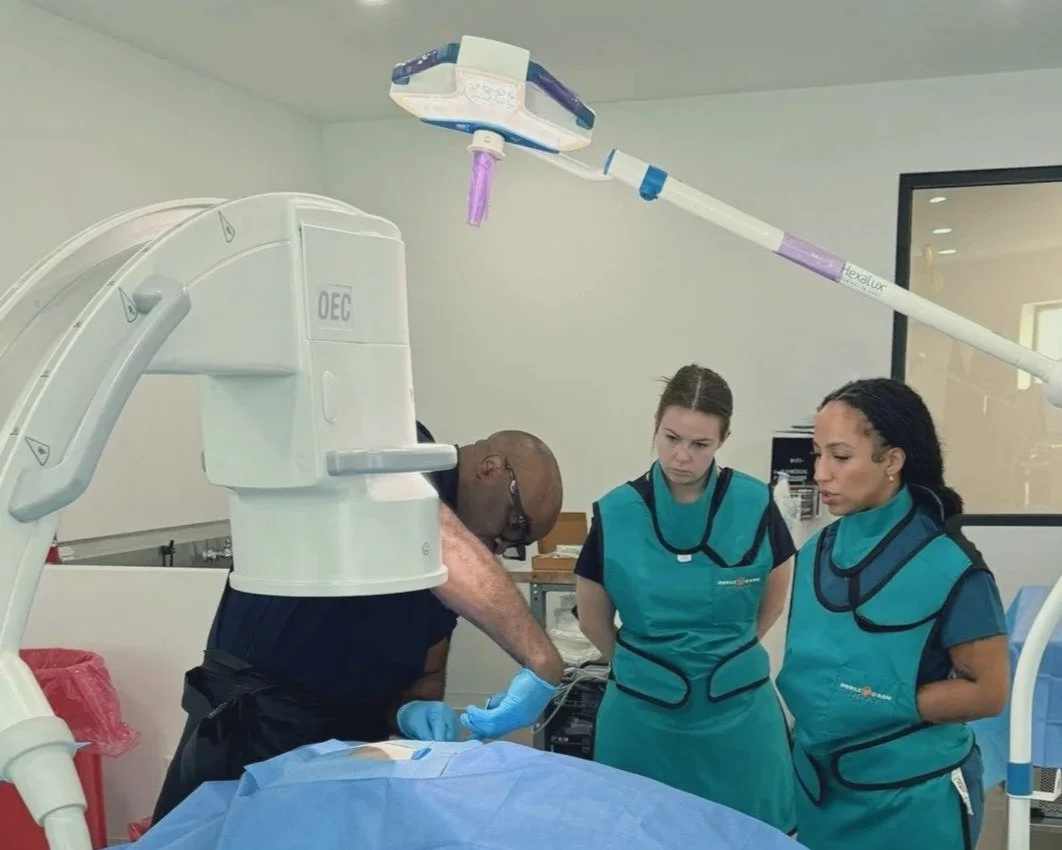
There's also the operating room itself. You won't just be presenting in conference rooms. You'll be in operating rooms during procedures, working with stressed surgeons and busy clinical teams. You need to be observant of what's happening in the OR, read the room, stay calm, and build trust in high-pressure environments.
This is exactly where a lot of candidates fall short on paper. You can study surgical procedures, but being calm and functional in an actual OR is a different thing entirely.
Clinical knowledge: how much do you need?
You don't need to be a clinician. You do need to understand what you're selling well enough that a surgeon trusts you in the room with them.
Strong candidates can read technical materials and translate them into simple terms. Hiring managers also look for certificates in sales, training in clinical products, or previous work in healthcare settings.
The medical device industry is growing fast. The field is experiencing a combination of technological advancement, evolving customer expectations, and increasing regulations.That means companies need reps who can get up to speed quickly and speak credibly about complex products from day one.
The faster you can demonstrate real clinical fluency, not just book knowledge, the faster you'll earn surgeon trust and start closing deals.
The experience catch-22 (and how to get around it)
Companies want OR-ready candidates from day one. Hiring managers can tell the difference between someone who has been in an actual surgical environment and someone who practiced with plastic models.
Many roles require at least 2+ years of experience in a sales or technical environment.For career changers, that bar can feel impossible to clear without the right preparation.
The way around it is to get real OR exposure before you interview. Shadowing surgeons and handling actual surgical instruments gives you a frame of reference that classroom training alone doesn't provide. Candidates who can speak to what they've observed in a real OR environment stand out immediately.
What companies are really looking for
Put it all together and the actual medical device sales requirements come down to a few things: a bachelor's degree, provable sales ability regardless of industry, strong interpersonal skills, and enough clinical knowledge to operate confidently in a hospital environment.
Additional sales training programs focused on healthcare products, compliance, and presentation skills can help new reps stand out in the hiring process and show commitment to success in the field.
You don't need a perfect resume. You need to show that you're field-ready.
Med RETI's hands-on training combines real cadaver lab experiences with actual OR shadowing, led by professionals with 50+ combined years of active industry experience. It's built specifically to close the gap between where career changers and new grads start and where hiring managers need them to be.
———————————————————————————————————————————————————————————————————————————————————
Frequently asked questions about medical device sales requirements
Q: Do I need a science degree to get into medical device sales?
A: No. While degrees in biology, kinesiology, or health sciences can give you a head start on clinical vocabulary, hiring managers care far more about your sales track record and ability to learn quickly. Reps come from business, communications, and even physical education backgrounds. What you study matters less than what you can demonstrate.
Q: Can I get into medical device sales without any sales experience?
A: It's tough but not impossible. Most companies want to see some evidence that you can sell, even if it's outside healthcare. B2B sales experience in competitive industries like copier, payroll, or staffing is highly transferable. If you have no sales background at all, starting in a related role like pharmaceutical sales, medical equipment distribution, or even high-volume retail sales can help you build the foundation companies look for.
Q: Is a certification required for medical device sales?
A: No certification is universally required, but credentials can strengthen your application. The Certified Sales Professional (CSP) designation and NAMSR (National Association of Medical Sales Representatives) certification are both recognized in the industry. More importantly, hiring managers look for evidence of clinical training and OR familiarity. A certificate that includes hands-on surgical environment experience carries more weight than an online-only credential.
Q: What's the difference between a medical device sales associate and a full rep role?
A: Associate or specialist roles are typically the entry point. You'll shadow senior reps, assist with product demonstrations, and build relationships before you carry your own quota. Think of it as a paid apprenticeship. Most companies expect associates to move into full rep roles within 12 to 24 months, depending on territory performance and product complexity.
Q: Does the specific medical device category matter for requirements?
A: Yes, quite a bit. Orthopedics, cardiovascular, and surgical robotics tend to have the highest barriers to entry because the OR involvement is intensive and the clinical stakes are high. Diagnostics, capital equipment, and medical software roles sometimes have more flexibility on the clinical side but still expect strong technical aptitude. Research the specific category you're targeting and tailor your preparation accordingly.